
MJF Research Process
2021/2022 case study
Primary and generative research is a starting point of all products developed at HP 3D, laying the base for all the design and R&D processes. Following example is a glimpse of the latest research activity that I led together with Product management and R&D in order to evaluate pain points and opportunities for our customers.
Putting into context.
In 2019 HP introduced MJF 5200 - second generation of its powder-bed 3D printing solution - faster-better-stronger and production ready solution, that got a positive initial feedback from the customers.
To fast-forward a year, global pandemic had a great impact on the industry, bringing additive manufacturing to the forefront. Meaning that in order for HP 3D to move forward we had to get a deep understanding at where our customers at, what are their current pain points and opportunities for further possible scaling.
Choosing the right customers.
Through analysing the data from PowerBIs, Voice of customer and other available information sources, we chose the accounts that grew the most during Covid, hence would be able to provide us with important intel on both positive and negative sides of our solution in their new reality. With 24 accounts identified across EMEA and Americas, we had to roll our sleeves up and get to work.

Initial problem exploration.
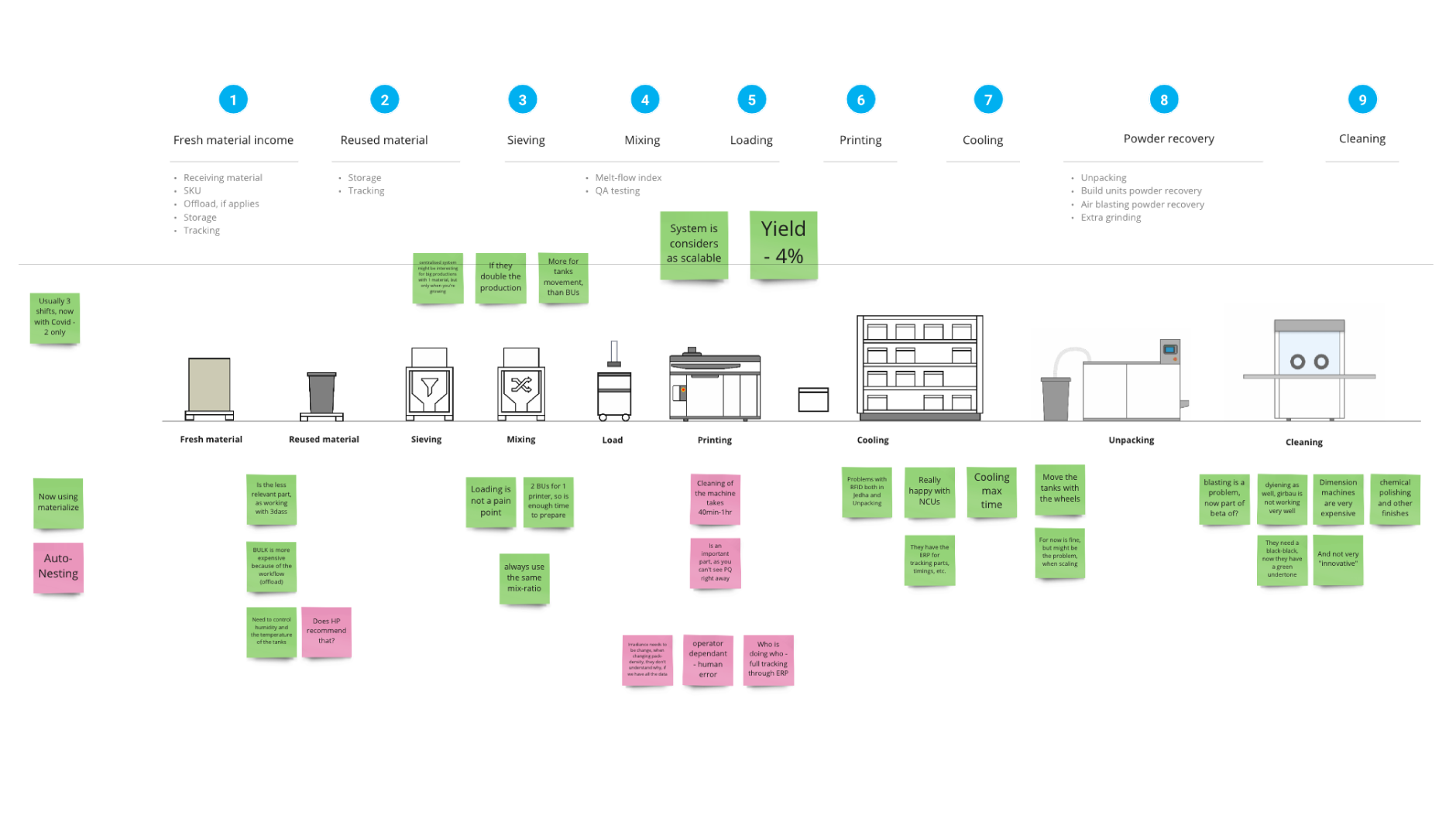
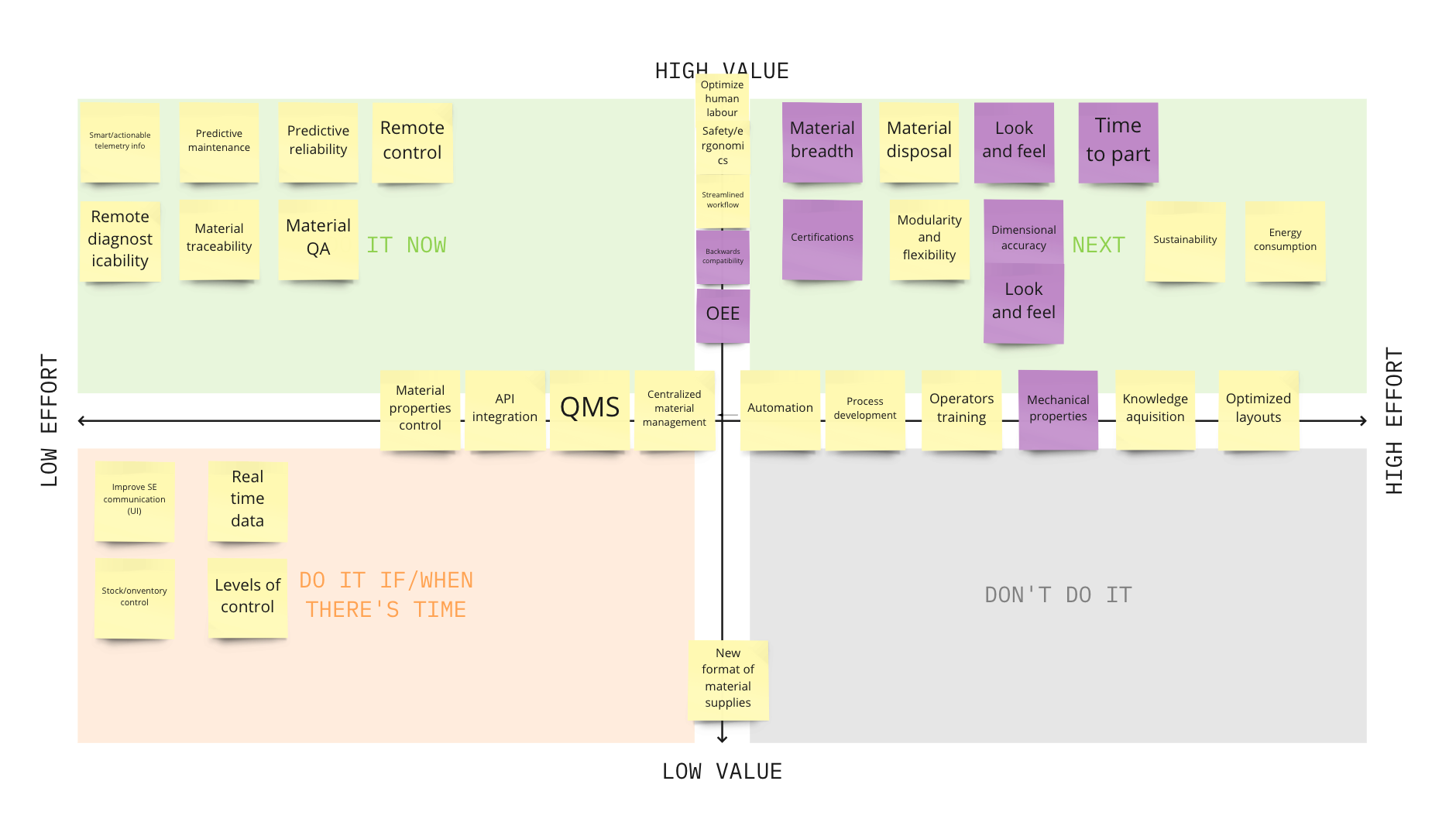
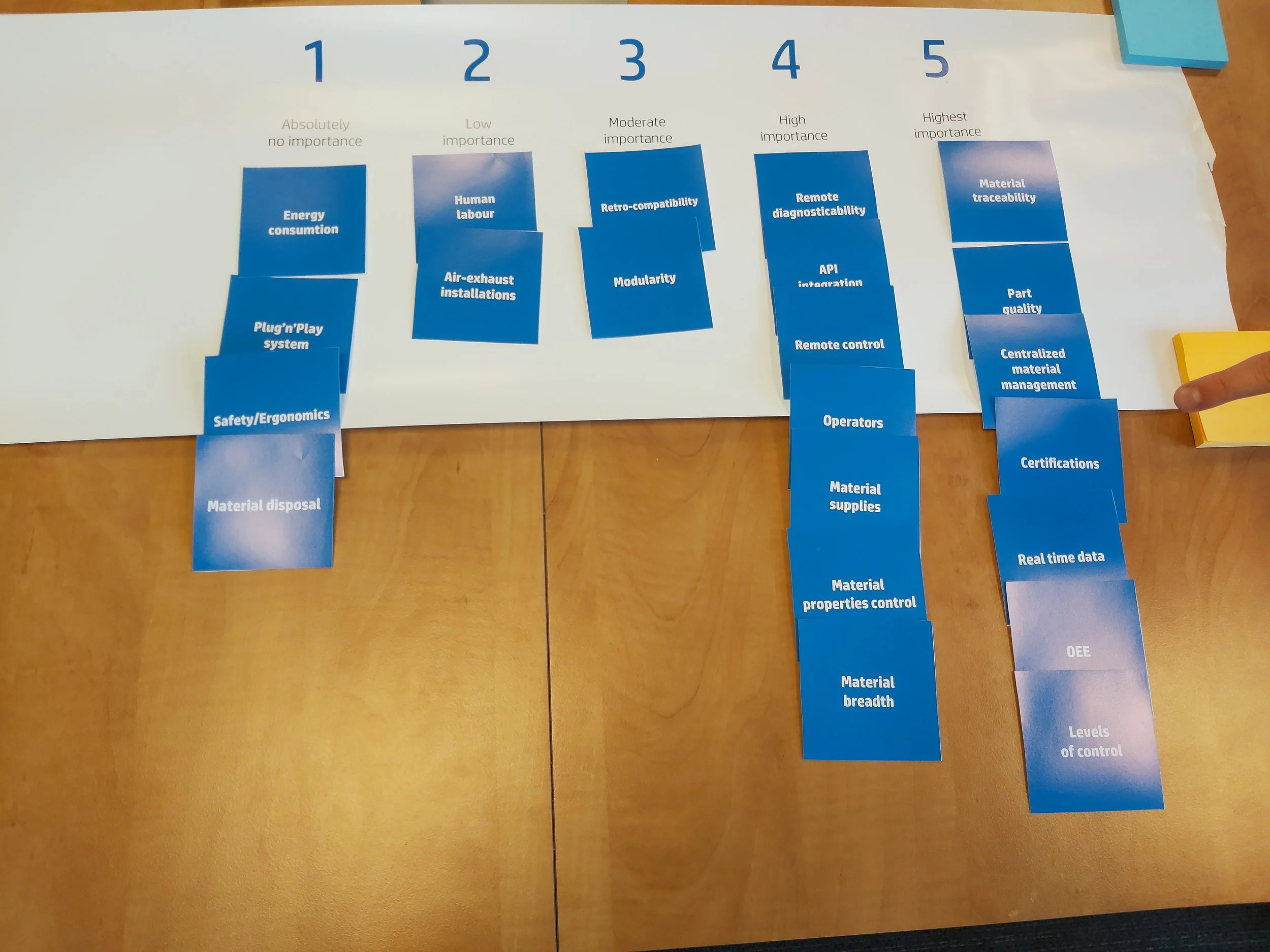
With borders still closed and travelling prohibited, we started with a series of zoom calls with one an only goal at this point - listen to customers. Understand their pains and motivations, their current scenarios and specific needs. The format of this called varied depending on the specific customer and their openness and willingness to engage in discussion with us. Yet the most successful format during these calls proved to be a workflow review or an interactive mapping of the priorities (we used Miro for both of those).
Narrowing down.
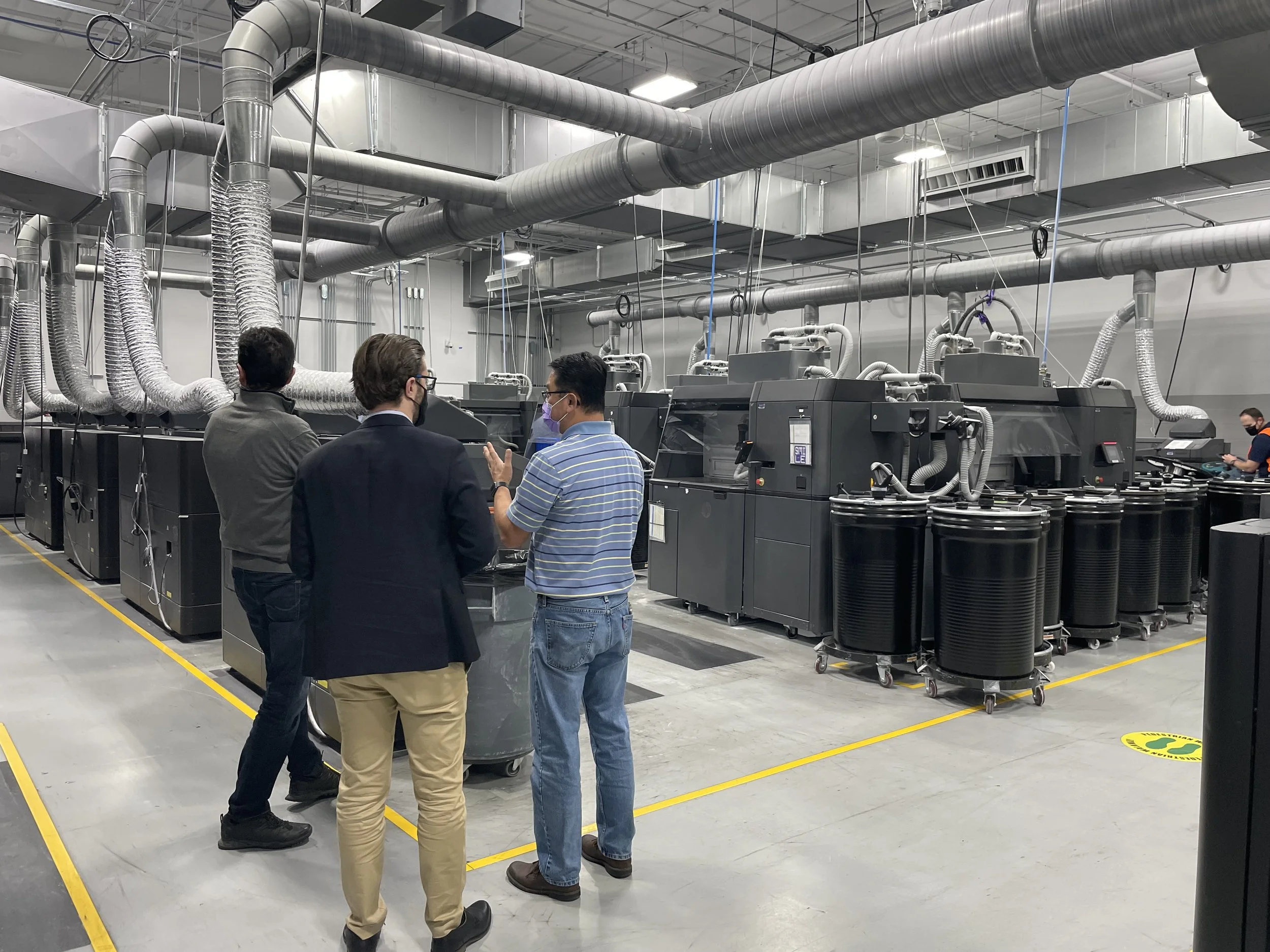
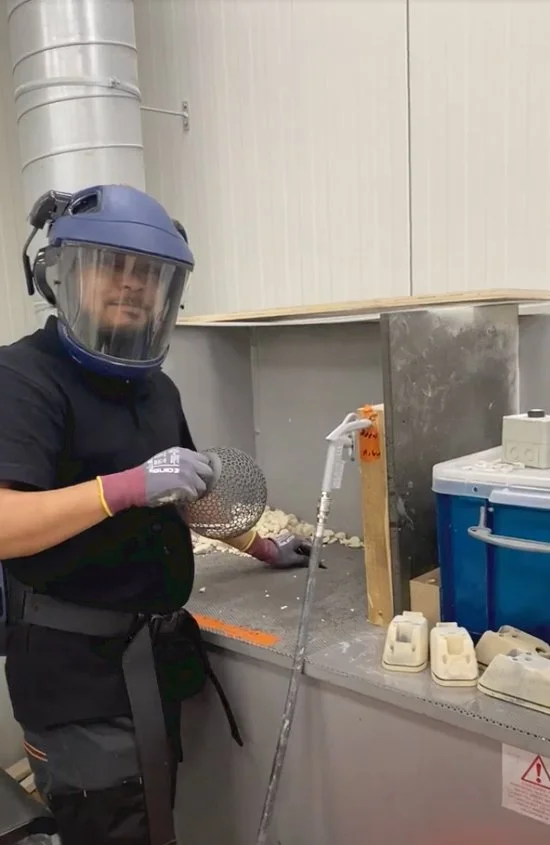
After the first sessions, we chose 15 of initial 25 customers to continue with our endeavour. And with restrains on travelling lifted, we could continue with an ethnographic research. On-site visits helped us to understand customers facility layouts and specific workflows, allowed to shadow different roles of the system users as well as conduct in-depth interviews with each role.
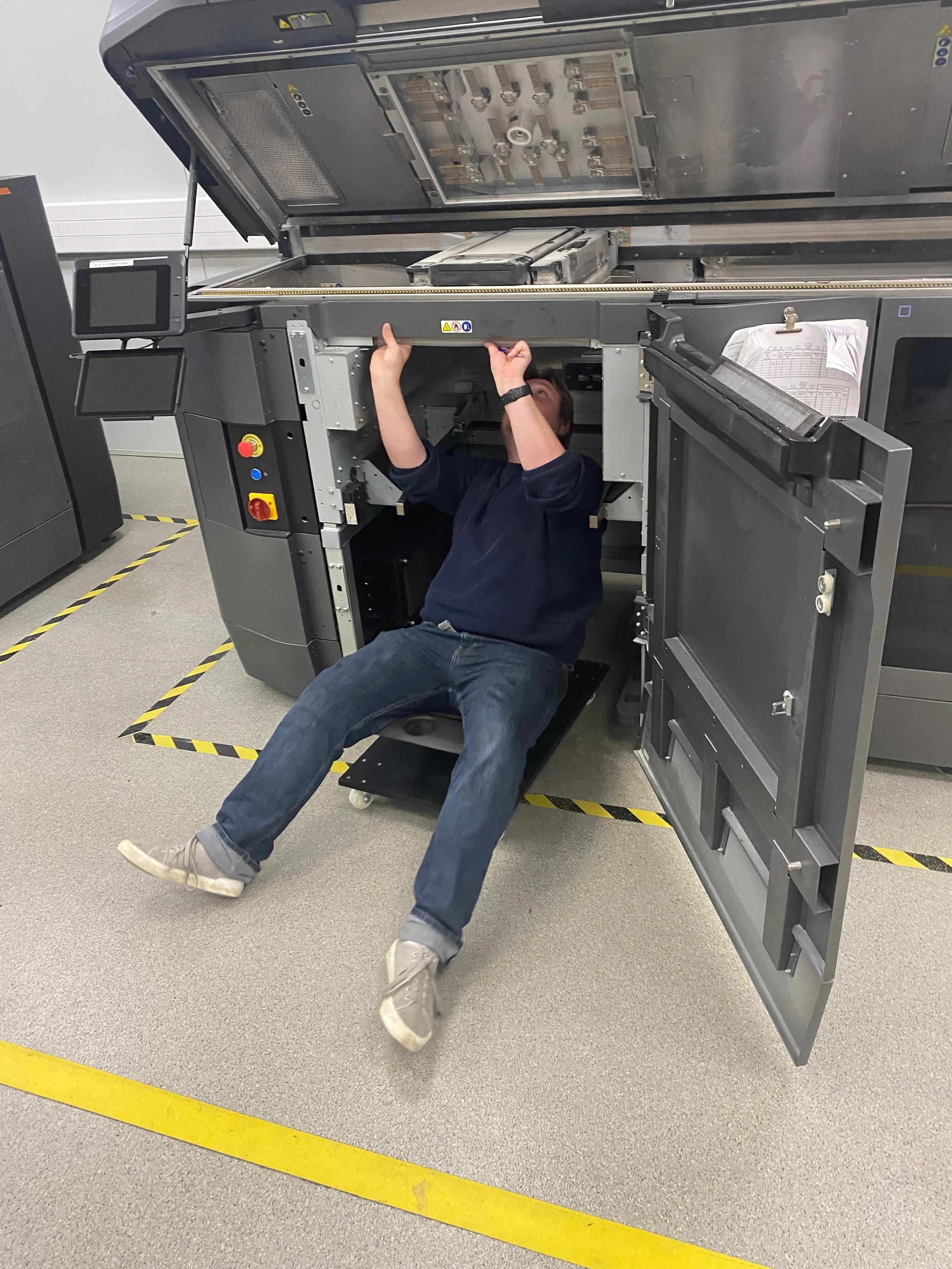
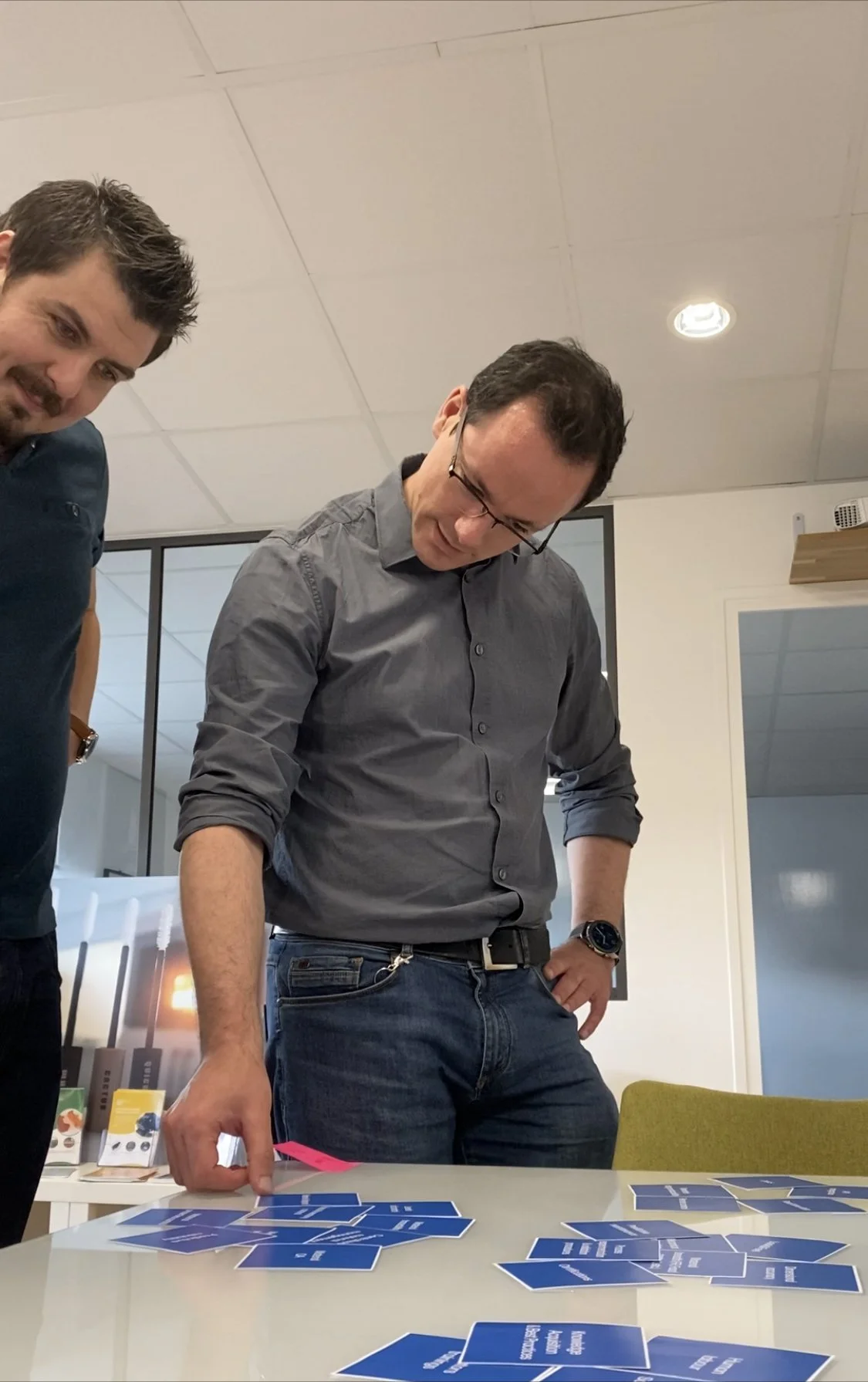
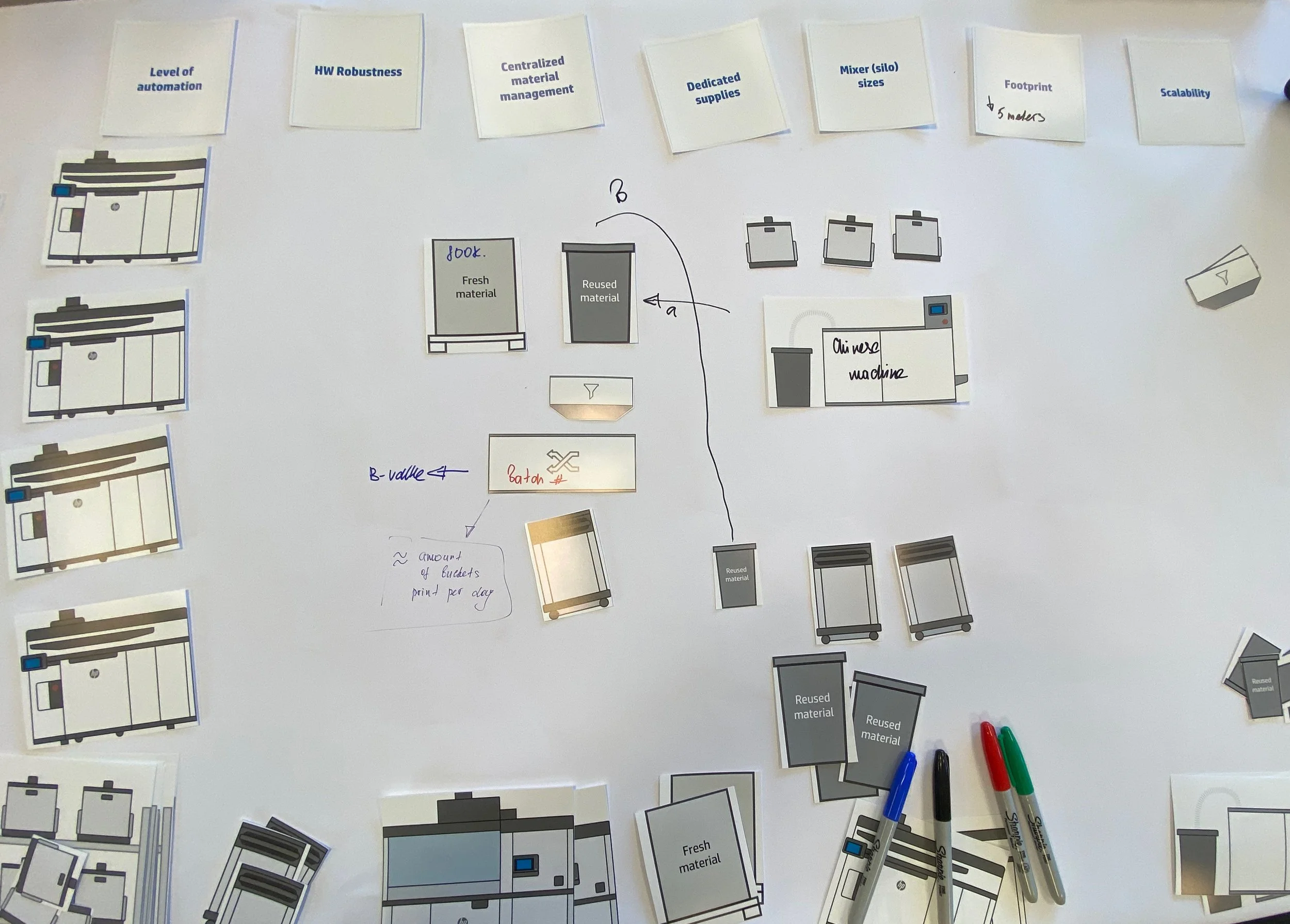
Having this information allowed us to dig even deeper and organise individualised workshops with each customer to tailor their possible future scenarios by considering their production capabilities, processes, fleet ratio and layouts.
Design deliverables.
After compiling the all the data, we create the set of deliverables, varying from detailed customer profiles to more generalised outcome as experience intent, customer archetypes, personas, etc.
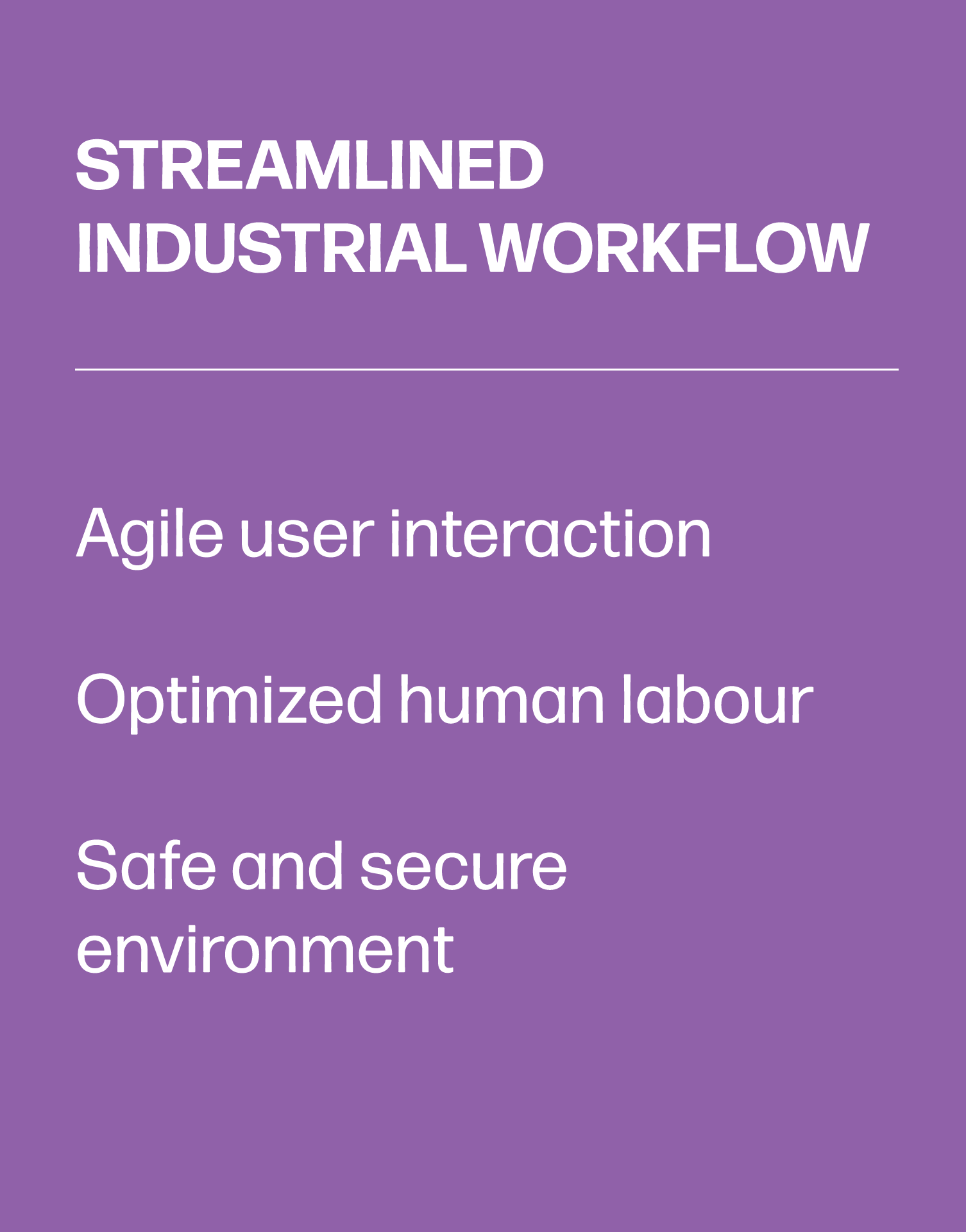
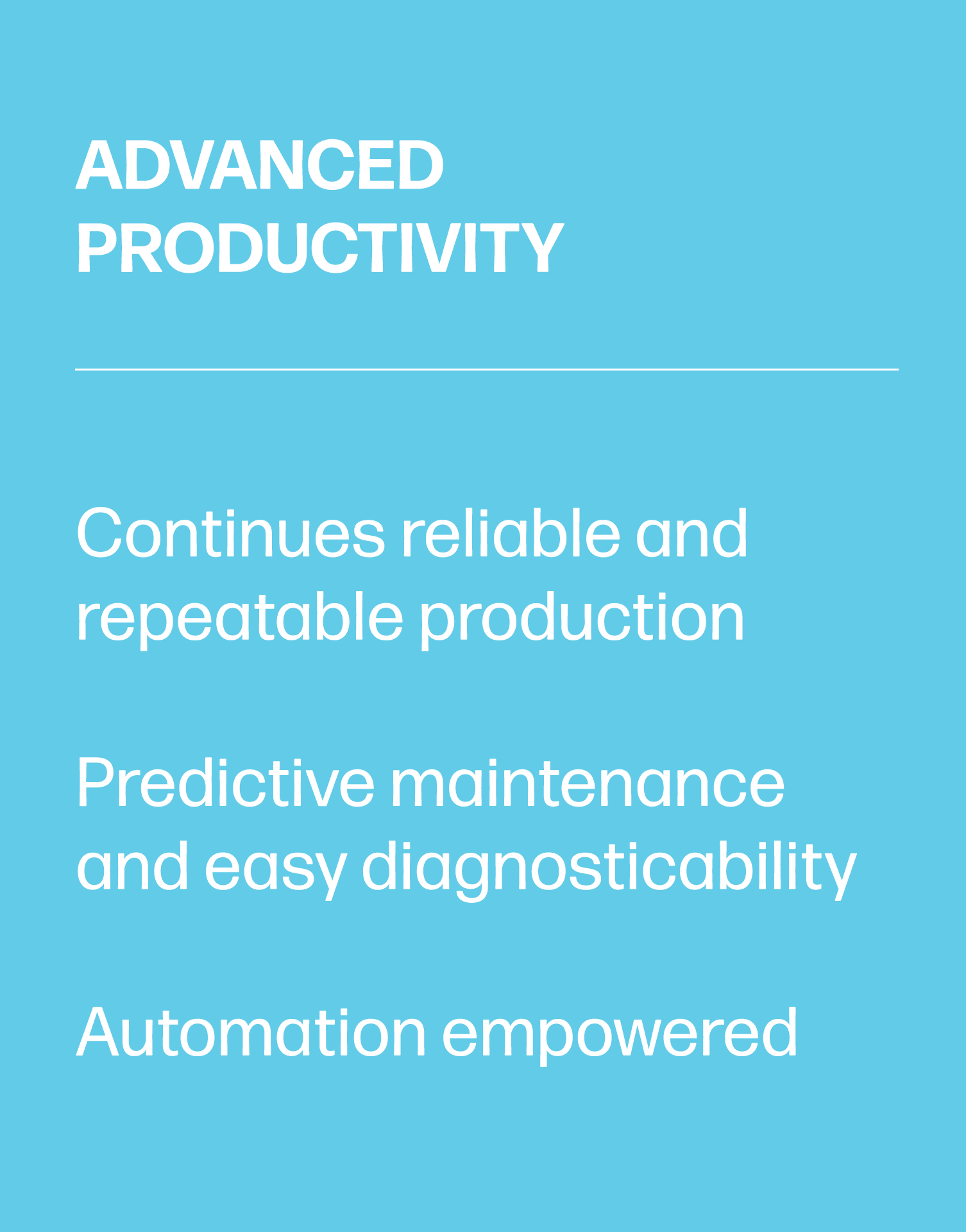
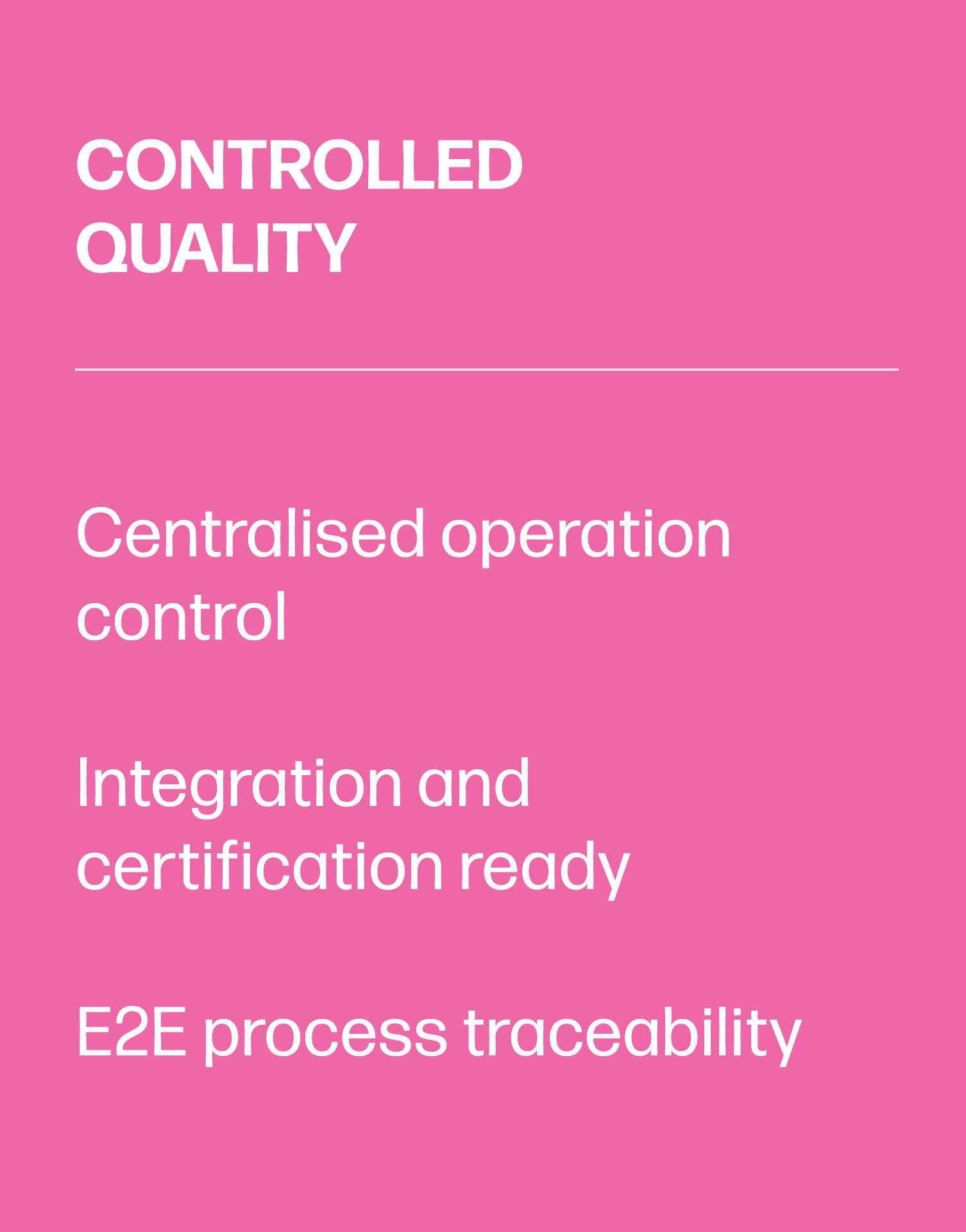
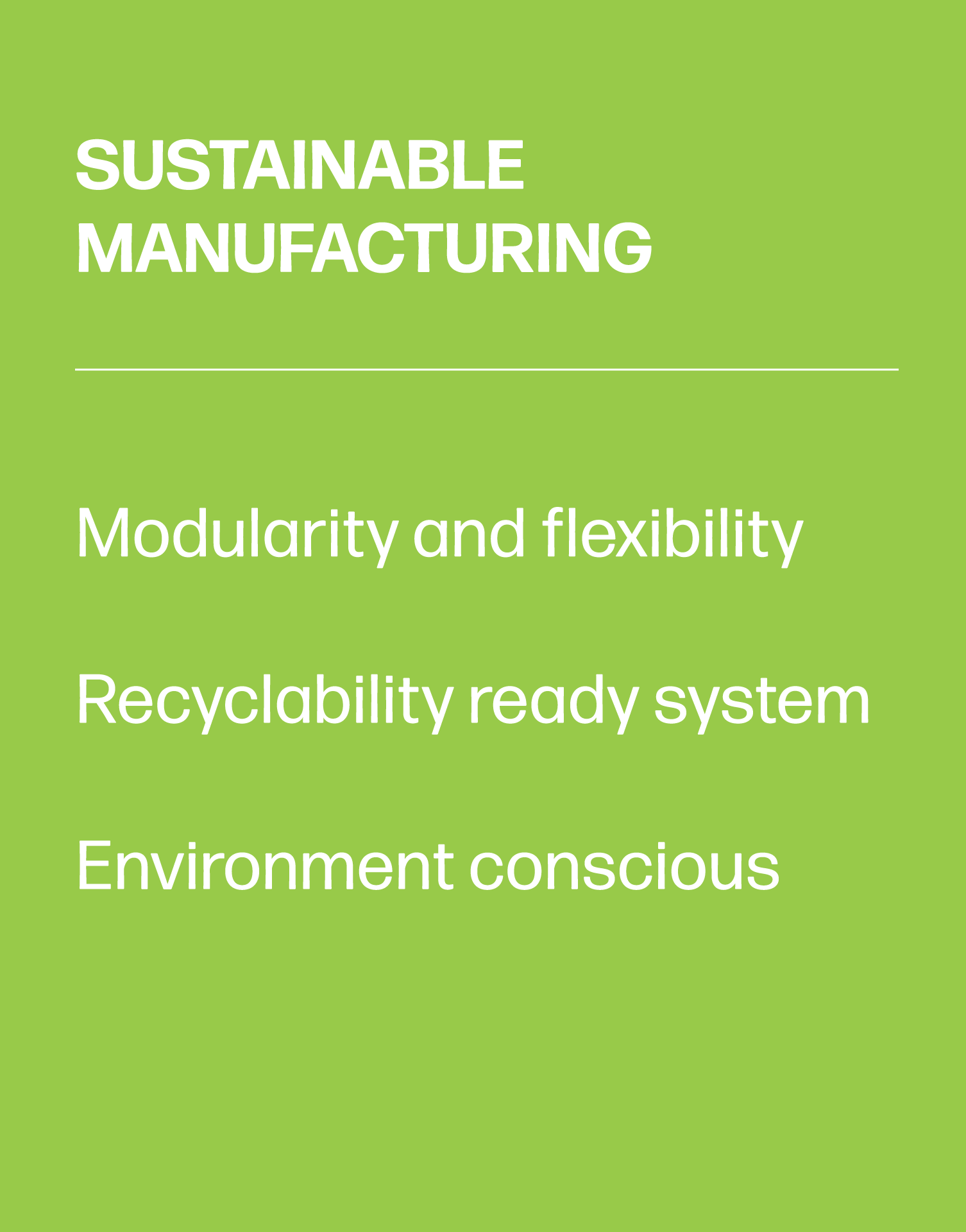
Definition of experience intent helps us understand what motivates customer when choosing a product and what are their expectations, when they are using it. In other words, the pillars that support value proposition from practical user-facing point of view. As a result of our research we defined 4 main motivators for our customers:
Streamlined workflow
With customers’ fleet growth, MJF solution starts to become more labor intensive and cumbersome in terms of HW assets. Streamlining the current physical and digital workflows is needed to eliminate unnecessary work-related tasks to improve the efficiency of processes.Advanced productivity
To ensure stable production and overall equipment effectiveness and efficiency of their fleet equipment, customers are expecting to have access to the following features.Controlled quality
To meet the requirements of the customers set of quality criteria, controlled production cells that can be easily integrated into the existent systems are a must.Sustainable manufacturing
Providing E2E solution that minimize negative environmental impacts while conserving energy and natural resources has become one of the main goals requirements of our customers.
Inside the experience intent ecosystem, we’re also trying to understand the differences between our customers - prioritise needs that guide our decisions that matter to customer, which customer to call on, or which product feature to develop first. So, as a next step, we had to understand how this pillars vary by different types of our customers. To create our customer archetypes we used the following formula:
Environment
What roles and relationships are at play? Who is using the product and in what ways? What is their business environment?Goals and motivations
How do we characterise its various personas’ goals, or specific segments’ Jobs to be Done? Do we know what success looks like, in its potential variety of forms?Behaviour
What are our customers actually doing right now? What do we know about how they use the product? How do customer with similar goals act, without this product?
By combining this criteria, we identified three archetypes of customers, each with their own priorities.
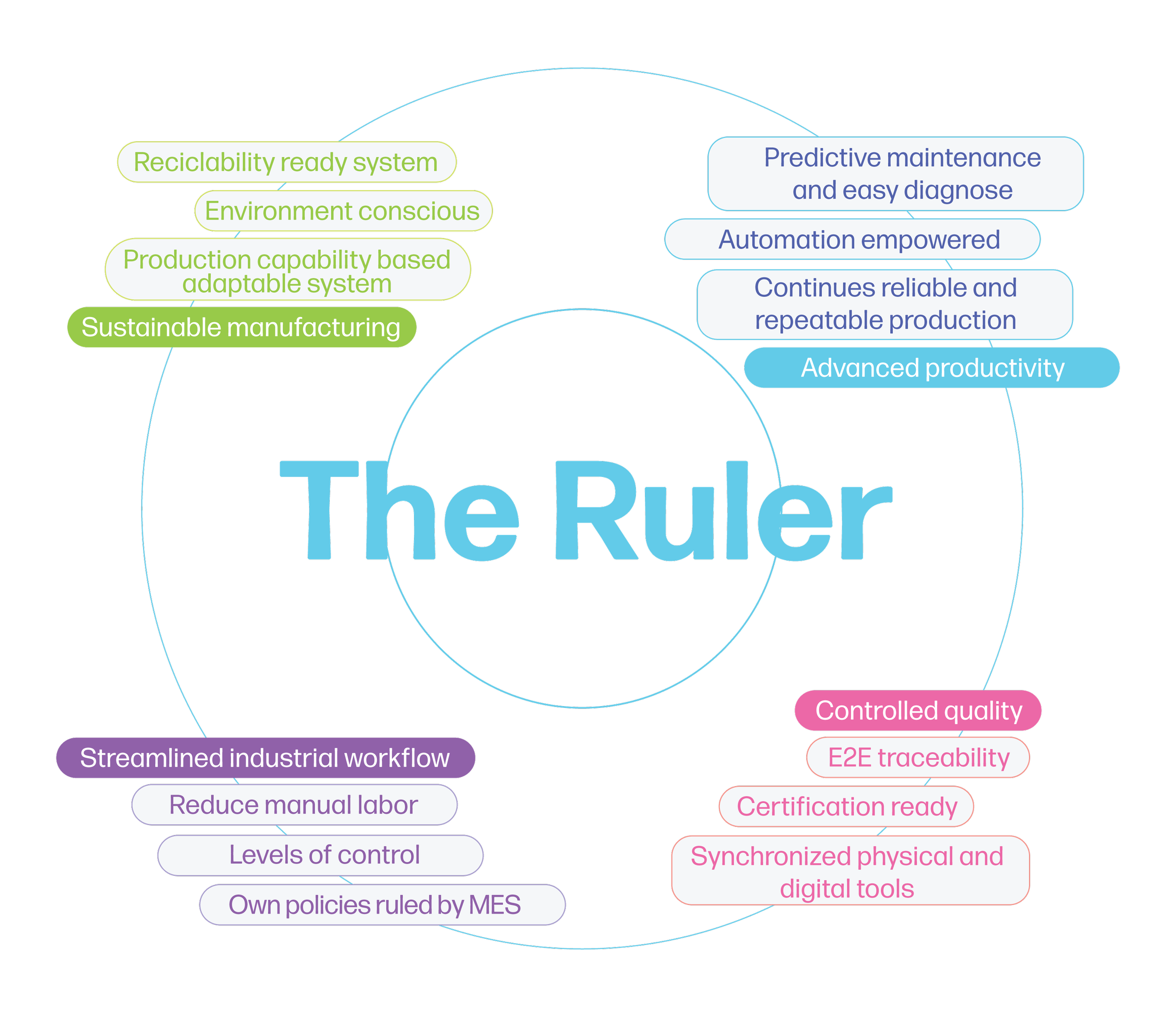
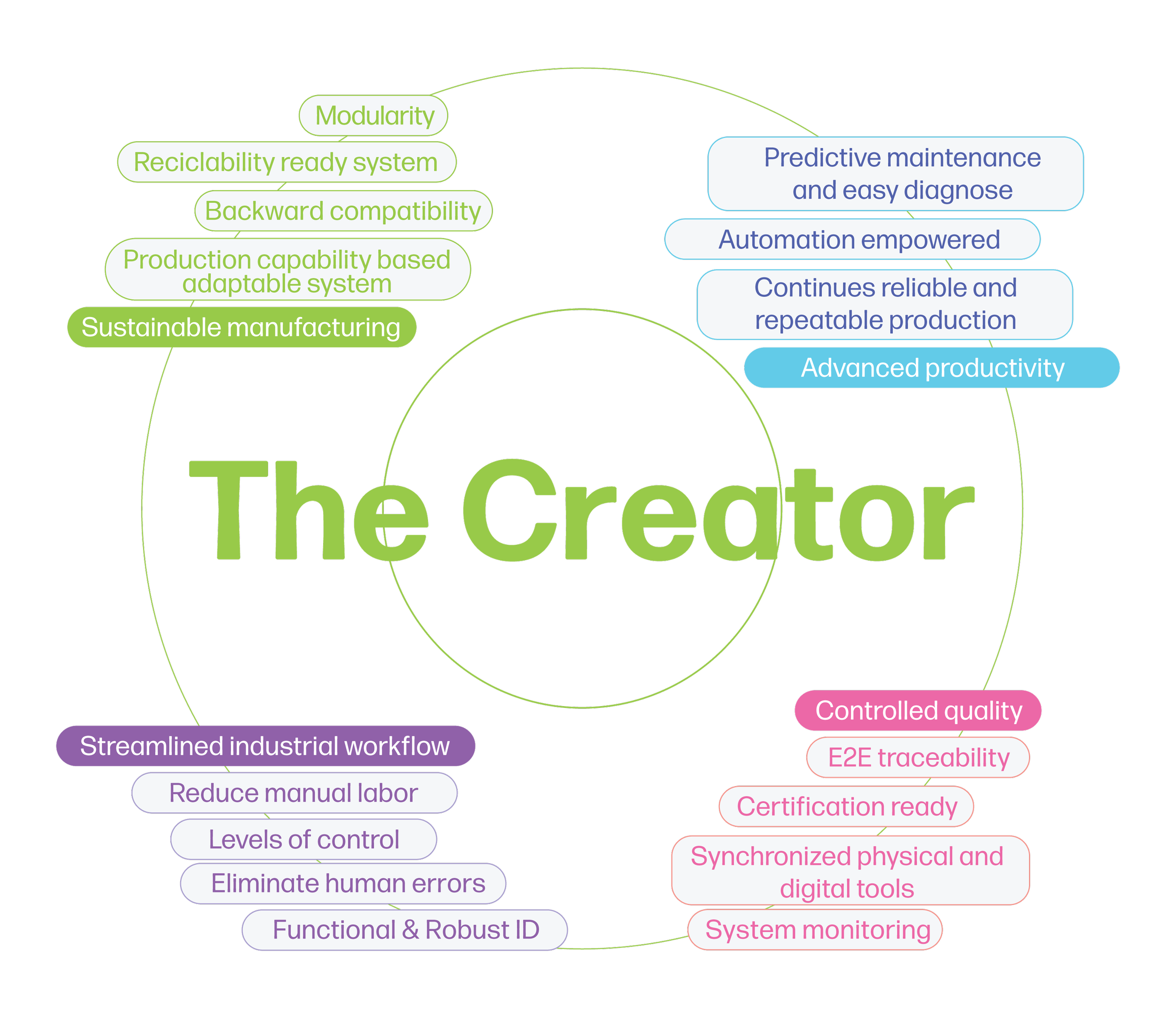
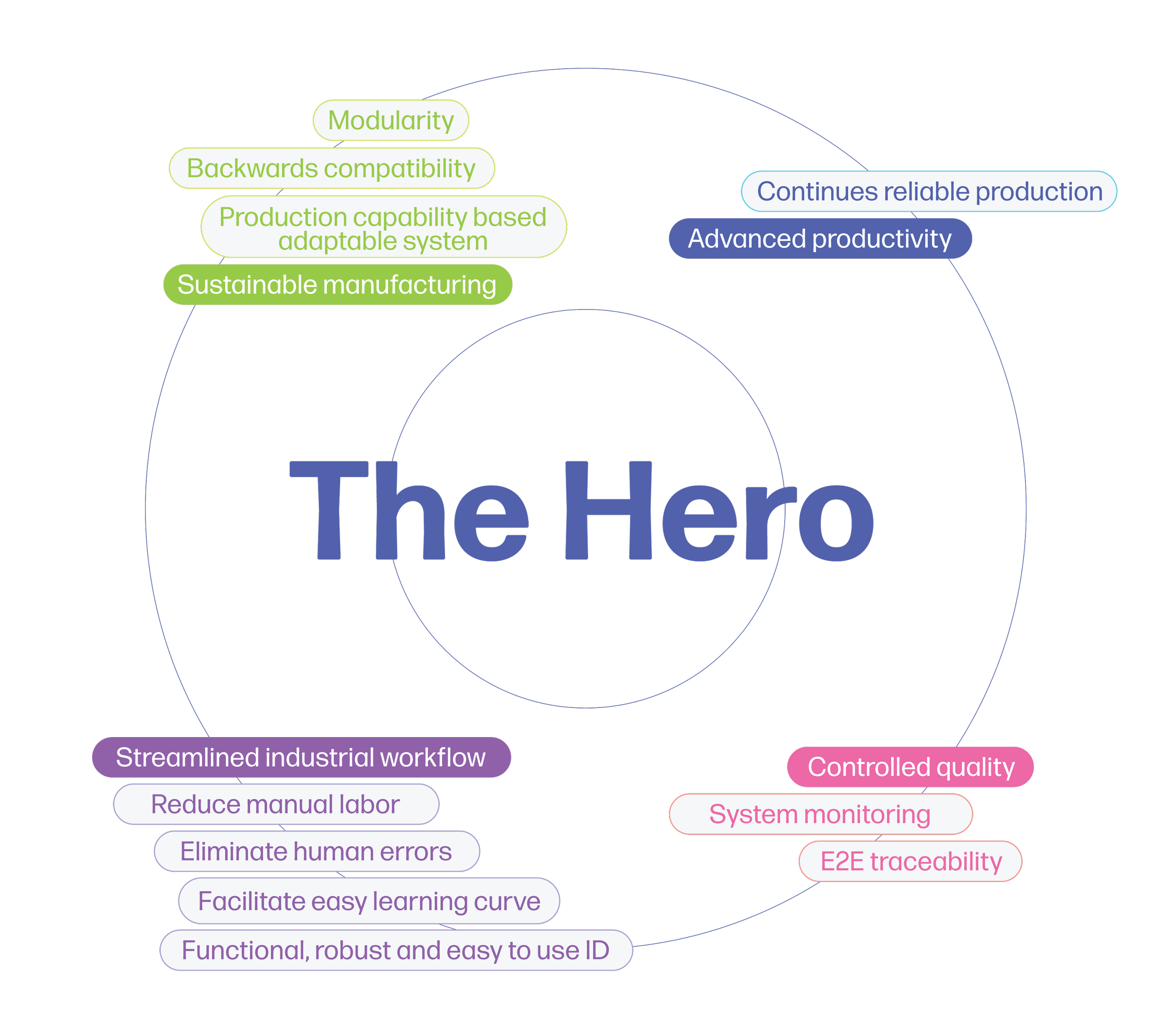
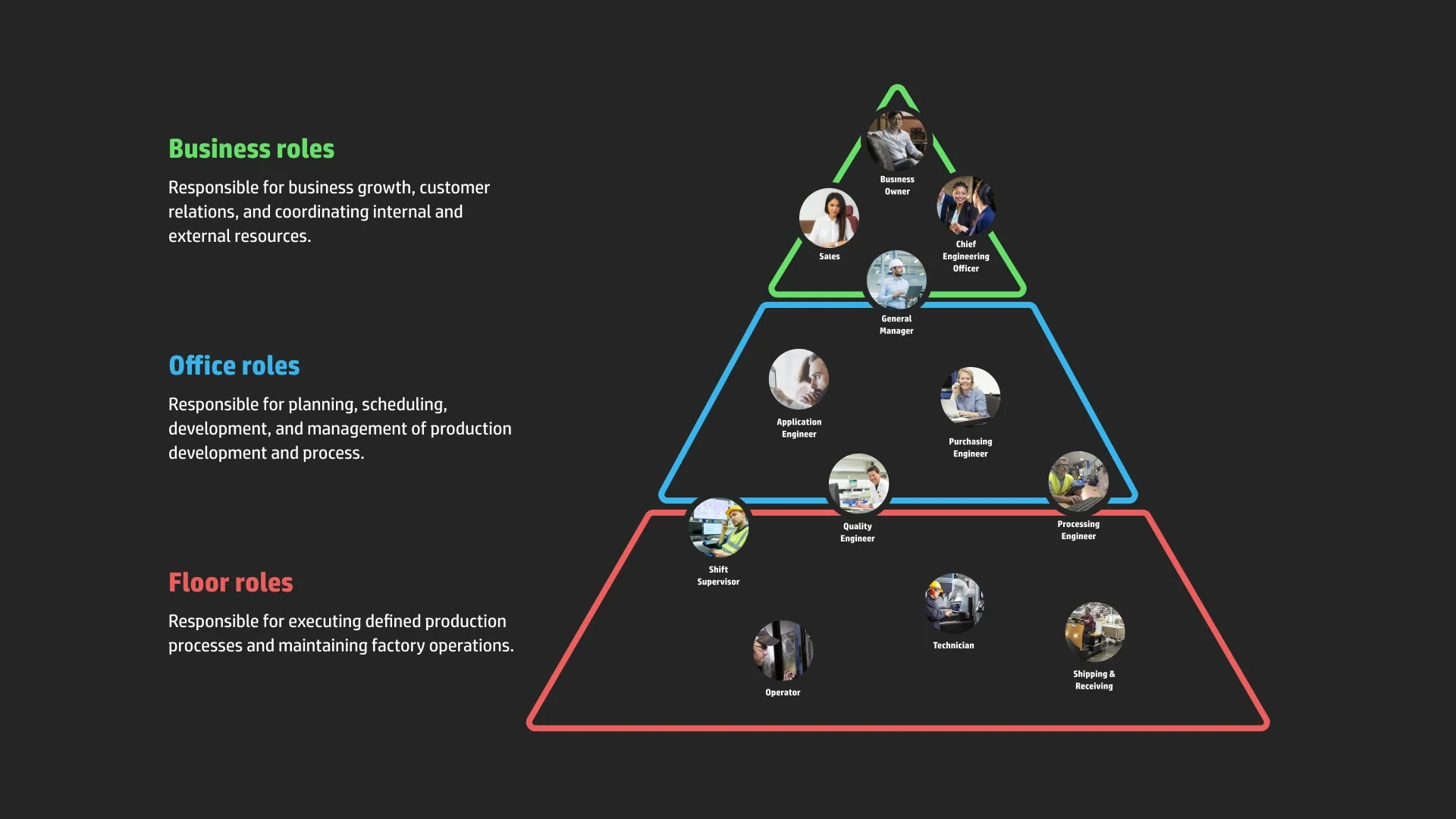
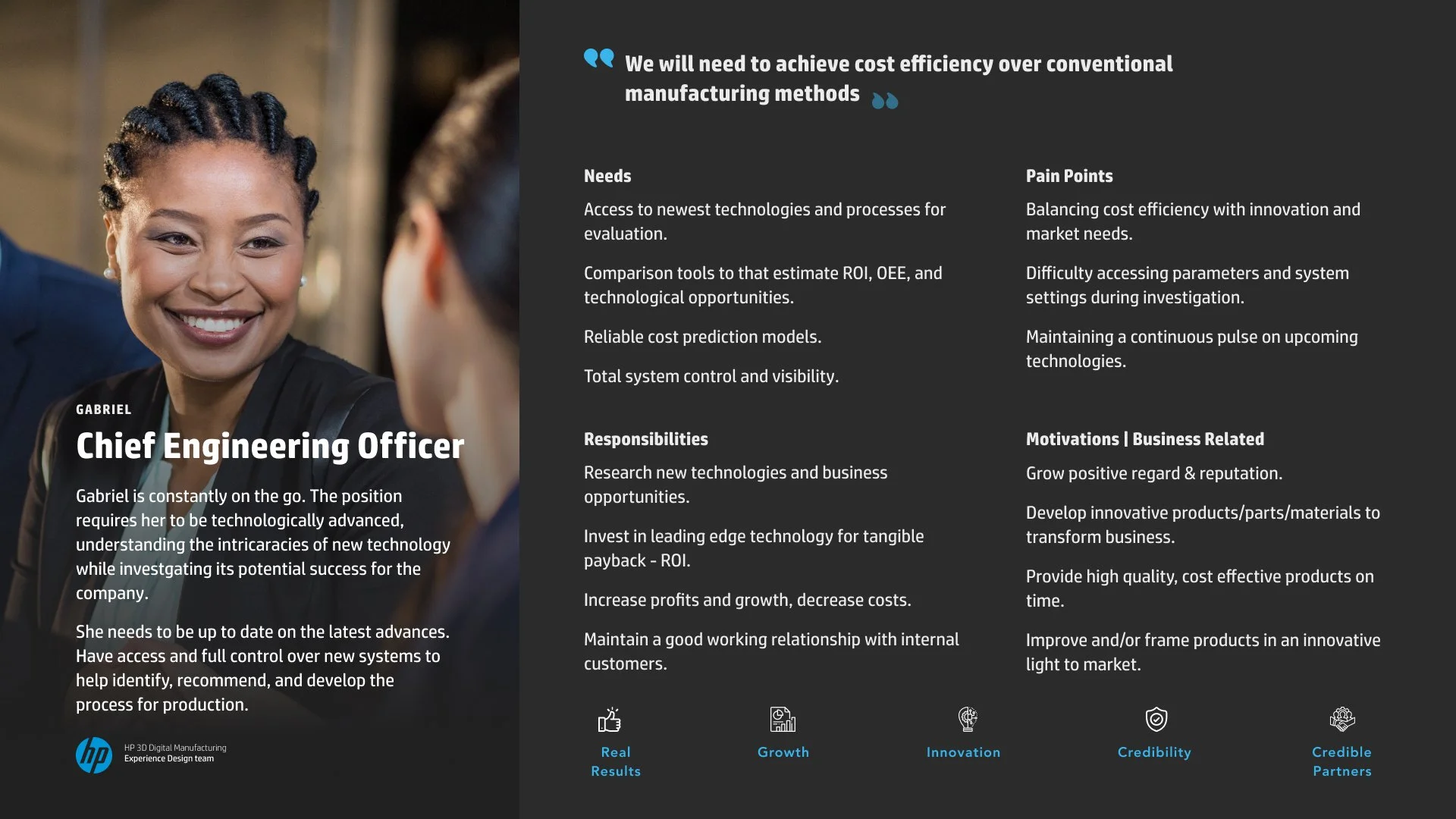
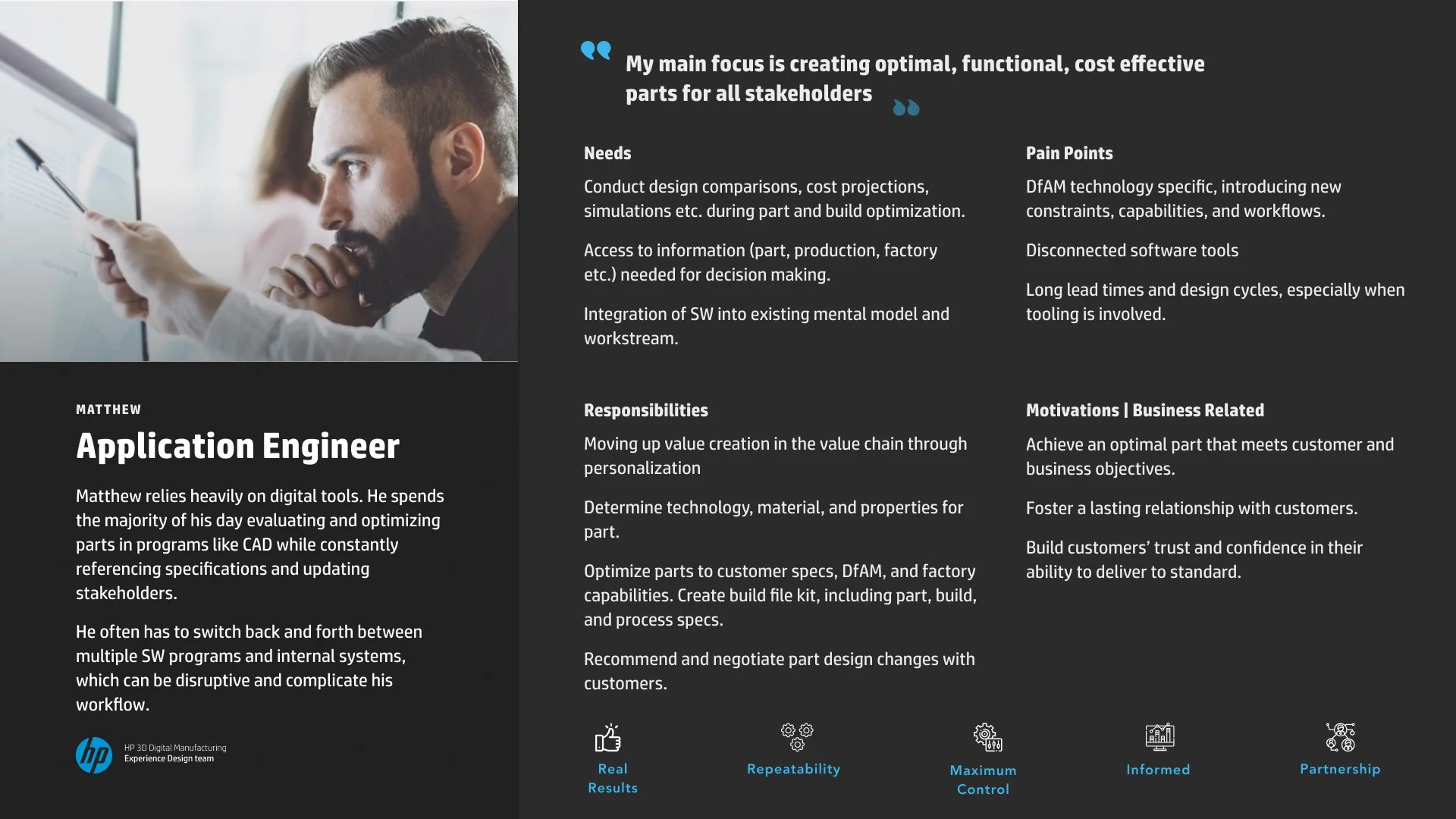
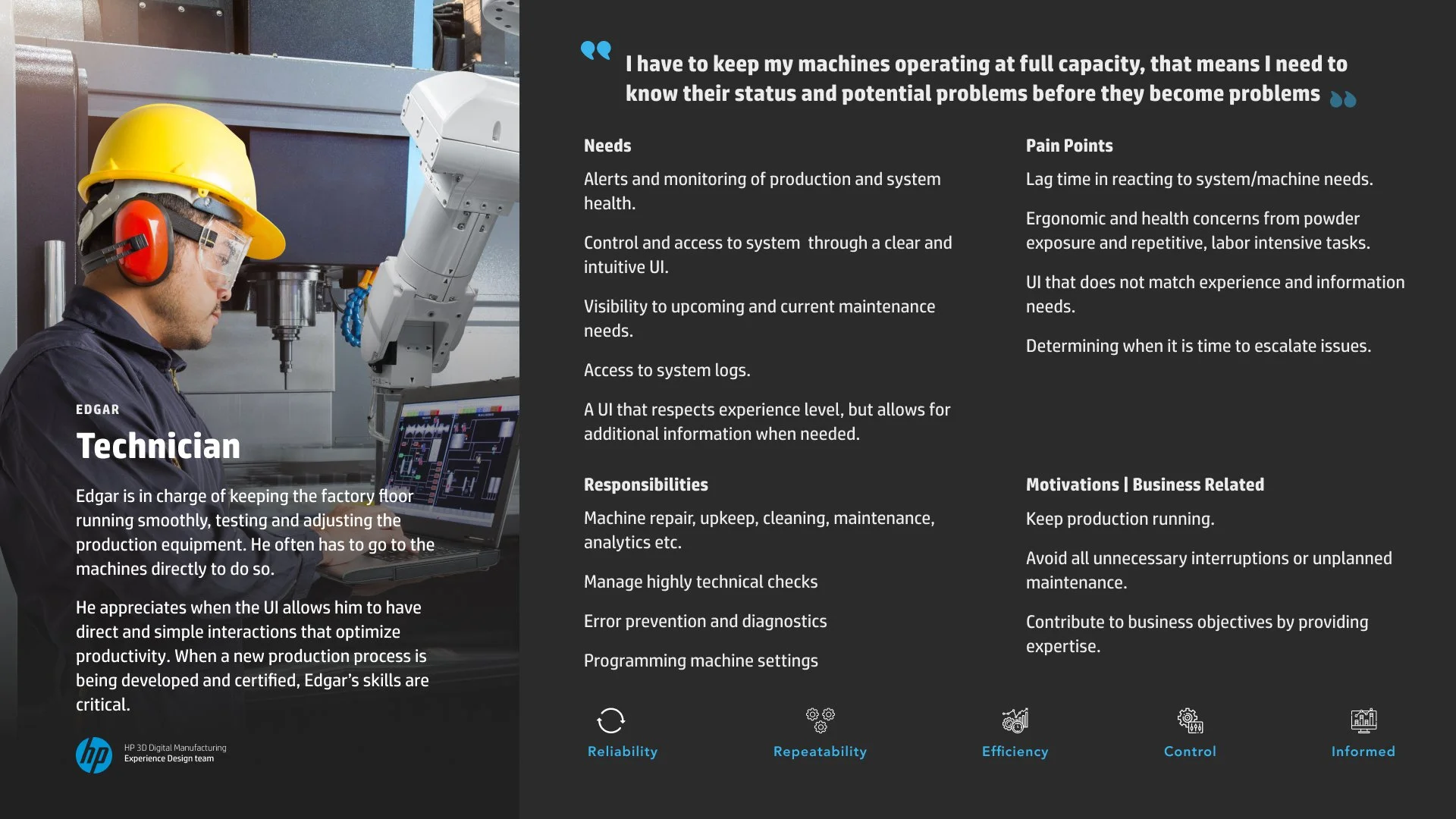
With priorities of our customers defined, we had to go another level deeper - to understand actual users of our potential solution, in other words - different personas, operating with our system.
In conclusion.
When user research provides foundation for the business and design strategy, it is important to remember that data generated through the process, gives us tools to use through the whole product development. They help establish product features, define MVP and the roadmap and guide the business direction in general.